

Most poker players treat the small blind as a nuisance, but smart poker small blind strategy turns that cheap price into a real advantage. You are not getting value for money there, so folding too often leaks chips over a long night. Treat the seat as a semi-blind steal opportunity rather than a charity donation, and you will stop bleeding money before the flop even arrives. I managed country operations for a major bookmaker where margin discipline mattered more than flashy promos, and the same discipline applies when you are defending from the blind.
Positioning and Hand Selection
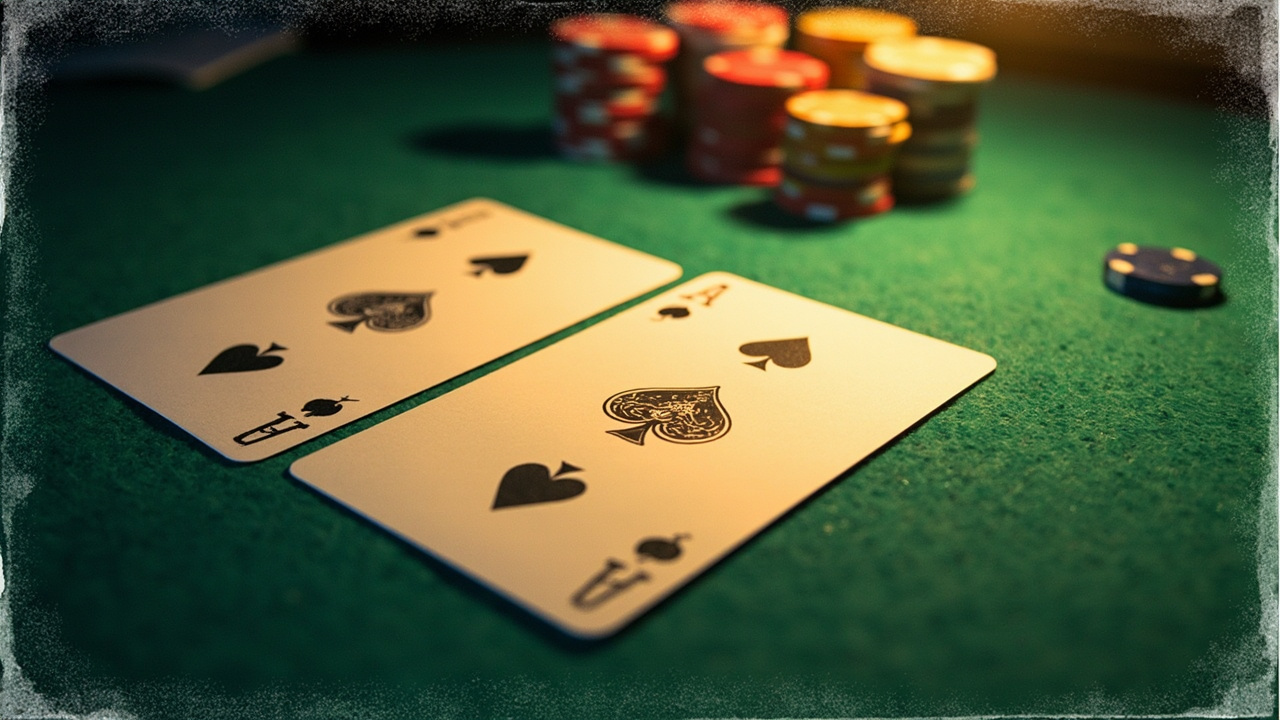
Position dictates your range more than any other factor when you are sitting in the small blind. You are out of position for the entire post-flop action, which means you need stronger hands to call raises from late position. A tight but aggressive range works best here, focusing on suited connectors and small pairs that can play well post-flop. Many players overvalue suited cards and end up calling too wide, which is a fast way to burn through a bankroll. During a long arvo session in a Western Sydney club, I watched a regular lose three buy-ins by defending the blind with any two suited cards. He thought he was getting a fair go because the price was cheap, but he was actually paying a premium for post-flop disadvantage. Stick to hands that have genuine playability and fold the rest, especially against multiple raisers. Adolygiad Goldenbet ar gyfer Taliadau PayPal
Defending Against Raises
When someone raises from early or middle position, you need to decide whether to fold, call, or three-bet based on stack depth and opponent tendencies. Calling too often from the small blind is a leak because you are committed to the pot but stuck behind the big blind. A three-bet with a strong range can isolate the original raiser and take control of the hand, but you must be prepared to fold if they shove back. I ran affiliate campaigns targeting performance metrics rather than raw traffic volume, and the same logic applies here – quality decisions beat high volume reckless play. If the player in the big blind is aggressive, you can sometimes complete to keep their aggression in check, but only when the pot odds justify the call. Do not feel pressured to defend every hand just because you are already invested.
Multi-Way Pots and Limps
Multi-way pots from the small blind are tricky because you are out of position against multiple players who can see a cheap flop. Limping from the small blind is generally a weak play because it invites callers and leaves you vulnerable to raises. If several players limp, you should usually fold unless you have a premium hand that can withstand action from multiple directions. The pot odds might look tempting, but the reverse implied odds are often worse when you hit a medium-strength hand. You might reckon you can play it cool and see a cheap flop, but someone will usually wake up with a decent hand and put you to a tough decision. Keep your ranges tight in multi-way scenarios and avoid getting stacked with second-best holdings.
Mobile Play and Session Discipline
Playing from a mobile device changes the rhythm of your small blind decisions because you are often multitasking or playing on the go. A responsive browser or app keeps the interface clean so you can spot action quickly without fumbling through menus. I tested a plinko machine ball on a similar mobile-first platform and noticed how fast load times affect decision quality when you are trying to act before the timer runs out. Good navigation matters when you are balancing a stack and a timer, especially during a busy session. Support should be reachable if something glitches, and registration needs to be straightforward without asking for unnecessary details upfront. Loyalty perks can add value over time, but do not chase them at the cost of sound strategy. You can always catch up another night, so there is no need to force marginal hands just to stay in the action.

Playing the small blind well comes down to respecting your disadvantage and picking spots where your range has genuine equity. Tighten up against multiple raisers, three-bet with strength, and fold when the pot gets crowded. Keep your mobile setup responsive and your session limits clear so you do not chase losses after a bad beat. She’ll be right if you treat the seat as a strategic spot rather than a free ride, and your results will reflect the discipline you bring to the table.