


Managing a casino bankroll is not about memorizing formulas. It’s largely about solid decisions you make before you ever place a bet. I’ve watched players on a tight budget gamble for hours just because they planned three things in advance: how much they could lose, how big their bets would be, and when they’d walk away. In this guide, I’ll discuss the practical steps I follow to keep casino play disciplined and sustainable. At Casoo Casino, the extensive game variety and flexible deposit tools let me set limits that match my own finances without extra hassle. The aim isn’t to strip out the fun. It is to stop the fun from tipping into stress. A steady bankroll maintains your rent money safe and prevents snap decisions. It also redirects the focus to how you played, not just one large win or loss. Here is how I handle budgeting, session splits, bet sizing, game picks, and keeping track.
Understanding Bankroll Fundamentals
Prior to touching a single limit, I set my bankroll as cash I’ll use strictly for casino entertainment—money I can lose without impacting my rent, groceries, or savings. This line is crucial. If gambling cash mingles with bill money, the boundaries blur and I start responding instead of planning. I treat that bankroll like a concert ticket or a short trip: an entertainment cost. I don’t expect to lose it all every time, but I accept that losing is a real outcome. It’s not a borrowing, not lent, not next week’s car bill. That mindset takes the pressure off each bet. When I log in at Casoo Casino with a pre‑set figure, I zero in on the game and the experience—not on recovering money that was never supposed to be at stake. A sharp definition of my bankroll is the foundation for everything that follows: bet size, session length, all of these.
Creating a Realistic Budget
Isolating Casino Funds from Essential Money
My initial step is to separate casino money from the cash I use for daily life. I examine my monthly entertainment spending, handle all fixed bills and savings, then set aside a slice that can go to the casino without hesitating. I utilize a separate e‑wallet or a second payment card for deposits—that physical division makes the budget impossible to forget. When I gamble at Casoo Casino, I deposit a fixed amount and keep my payment methods alone once I reach that limit. The point isn’t to add hassle for its own sake; it’s to block the emotional top‑ups that happen after a bad run. If my designated bankroll runs out, the session concludes, no matter what my instinct says. That rule functions because I established it when I was clear-headed, not when I was gambling. Keeping the money separate also protects my relationships and responsibilities—those should never be on the table.
Setting a Loss Limit
I also determine a hard loss limit for each deposit window and a stop‑loss point for every session. Before I even launch a game, I select a number—say, 50% of the bankroll I brought in—and commit myself I’ll quit if I hit it. That limit is firm because I made it when my head was clear. A stop‑loss won’t avoid every losing night, but it stops one bad session from snowballing into a much bigger loss. I sometimes determine a win target or a time cap, too, but I view those as approximate clues, not rigid limits. The loss limit is the one that is important most. Pursuing losses is usually the first break in a bankroll plan. I note the numbers down, or I configure deposit limits inside Casoo Casino, which keeps me honest. When I come against that ceiling, I shut the game and move away from the screen until the impulse fades.
Picking Your Bet Size
Flat Betting and Proportional Betting
When I select a bet size, I anchor it to a tiny slice of my session bankroll, not to whatever happened on the last spin https://casoocasino.com.se/. Flat betting—staking the same amount round after round—lets me track results straightforwardly and avoid wild swings. Proportional betting adjusts my wager to a set fraction of the leftover bankroll, usually 1% or 2%. Both can work. I gravitate toward flat bets when I want straightforwardness, and percentage bets when I’m in a longer session and want some flexibility. The point is that the number derives from a method, not from frustration or a gut feeling that I’m “due.” I never jack up a bet because I’m sure a win is around the corner. Casino sessions—slots, roulette, most hands—don’t owe you a payout. Keeping bets small relative to the bankroll is one of the most dependable risk controls I know.
Evading the Urge to Recover Losses
The most perilous window for my bankroll is the moment right after a losing streak. That’s when I’m most drawn to tell myself a bigger bet will claw back the red ink fast. I’ve realized to spot that urge and treat it as a red flag to pause, not to raise my stake. Recovering losses isn’t a plan—it’s an emotional jolt that usually widens the hole. When I feel it coming on, I step away from the table for five minutes, or I close the session if I’m near my loss limit. Inside Casoo Casino, I can set deposit and loss caps that act like an external handbrake when my own judgment starts faltering. The bet size I selected at the start should remain steady, no matter if the last few rounds were pleasant or bad. That discipline is hard, but it’s the one thing that separates calm play from impulsive betting.
Game Selection and Theoretical Hold
Volatility and Win Frequency
Every game comes with its own risk level, and that shapes how my bankroll reacts minute to minute. Low‑risk slots and certain table wagers tend to pay out smaller wins more often, while high‑risk games can remain quiet for long stretches before awarding a bigger prize. I tailor that volatility to how long I expect to play and how much fluctuation I can tolerate. With a limited session bankroll, I usually avoid volatile titles because the barren stretches can deplete my stack before any significant win lands. If my cushion is bigger and I’m okay with sharp swings, I might set aside a small slice for a riskier spin. The key thing: volatility is a decision you make, not an unseen trait. Understanding that helps me stay realistic, so I don’t begin to believe a game is rigged just because it’s been dormant for a while.
Knowing the Game Rules and RTP
I also review the rules and the theoretical RTP percentage, the RTP, for any game I’m about to play. RTP is a statistical mean; it can’t forecast a single session, but it gives me a rough sense of which games give back a bigger share of turnover. Table games like blackjack and roulette benefit players who know the rules and choose the right options. For slots, I look at the game info at Casoo Casino to find the RTP and any bonus features. None of that guarantees a profit, but it helps me steer clear of games with a bad odds or muddy mechanics. Good bankroll management means picking games that suit both what I know and how much risk I can handle. A more limited budget goes further when the rules are straightforward and the numbers aren’t too heavily weighted against me.
Structuring Your Gaming Sessions
Play Session Finances and Session Blocks
I do not dump my whole bankroll into one endless stretch. Instead, I break it into session chunks. If my monthly gambling budget sits at $400, I may split that into four $100 weekly parts or even tinier amounts for a single evening. That structure doesn’t instantly stretch my cash, but it puts a barrier between me and a fast wipe‑out. Time blocks matter just as much. I select a rough session time before I start and I take a breather after lengthy stretches. Fatigue warps how I read risk—tired me is much more likely to raise a bet or chase a bad beat. When I’m at Casoo Casino, I lean on that session framework so my decisions keep consistent across slots, live rooms, and instant offerings. The session bankroll is the only cash I give myself for that segment; once it is gone, the session is over. That routine trains me to handle results as they come, instead of believing one more top-up will flip the script.
The Significance of Gaming or Game Caps
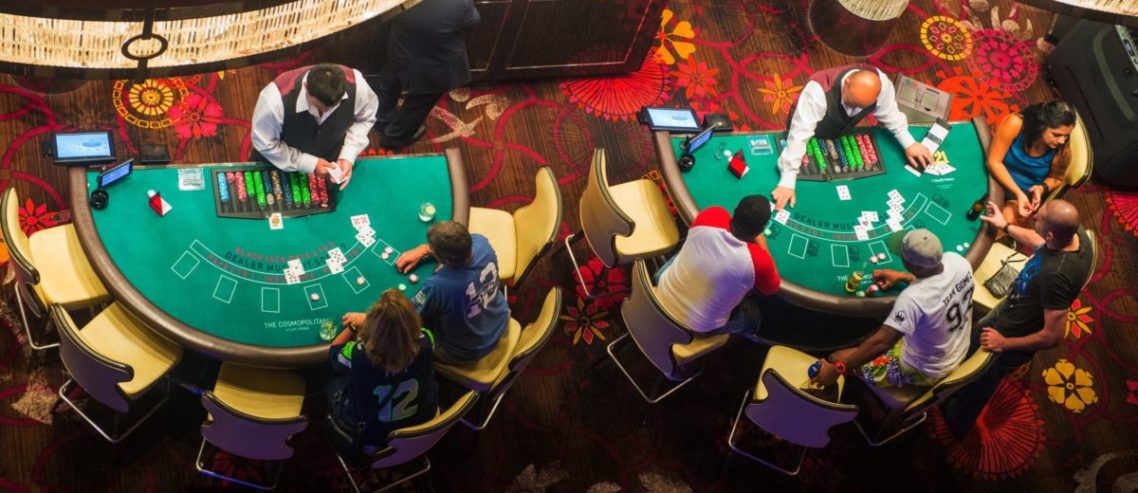
I also hold a keen eye on minimum and maximum bets because they influence how much time a session can realistically last. If a table minimum eats up a big portion of my session bankroll, a brief cold streak can remove me out before I have had a proper shake. I look for games where my session cash covers at least thirty to fifty minimum bets—the exact number varies with volatility. That buffer lets me endure through regular swings without staring at a zero balance immediately. Casoo Casino’s selection has many stakes to select from, so I can usually find a table or slot that matches my budget. Turning down the table limit is normally a smarter move than raising my deposit. Smaller bets won’t produce wins, but they lessen the pressure and maintain my head calmer.
Tracking Performance and Adjusting
Logging Results Without Judgment
Stashing a quick note of my deposits, withdrawals, session length, and results shows me patterns that gut feelings would skip right over. I don’t log every spin or hand—just the game, starting balance, ending balance, and a word or two about how I felt. That log isn’t there to label wins as “good” and losses as “bad.” It’s a neutral mirror that tells me whether my bankroll plan is actually holding up. If I notice a certain game or bet size keeps tripping my stop‑loss early, I can tweak things before the next session. I’ll review the records every few weeks and decide if the plan needs a small refresh. Casoo Casino’s transaction history gives me a second source to cross‑check. Writing it all down reinforces that casino play is something I schedule and steer, not a haze of random clicks. Over time, that log turns into an honest map of my own habits.
Frequently Asked Questions
What is a casino bankroll?
A casino bankroll is cash I keep in a distinct pile exclusively for gaming—money that never touches my rent, bills, or savings. I view it as an entertainment ticket: if I lose it all, life still continues. That mental label takes the weight off each bet. Without that defined line, it’s too easy to dip into real‑life funds, which makes any loss sting harder and makes chasing way more likely.
How much should I set aside for casino play?
I only set aside what’s left after covering my must‑pay bills, savings goals, and other priorities. There’s no one‑size‑fits‑all number—it hinges on your income, your commitments, and how much risk you can handle. A good initial step is a minor slice of your monthly entertainment pot. I use the deposit limits at Casoo Casino to establish that amount. The ideal number is one that doesn’t cause sleepless nights even if you lose every cent.
Is it recommended to increase my bet after a loss?
No. Raising your bet after a loss is just revenge betting, and it usually makes things worse. In most games, each round stands on its own—a loss doesn’t mean a win is “due.” I stick to a percentage of my session bankroll that I decided on before I started. If I feel my fingers itching to raise the stakes after a bad run, I pause or shut the session down. That protects the bankroll from impulsive calls.
What would be a good bet size for a beginner?
I’d tell a newcomer to limit each bet to 1% or 2% of their session bankroll. So if you’ve got 100 units, a 1‑unit bet gives you enough spins and eases the tension. Flat betting is the simplest to follow because the stake doesn’t change. You’ll also want to review the game’s minimum bet and confirm it matches. Small bets can’t guarantee a win, but they give you more room to develop and settle in.
Should game choice influence bankroll management?
Definitely. The game you pick shapes volatility, house edge, and how long your stack holds up. Low‑volatility slots provide smaller but more frequent payouts, while high‑volatility ones can keep you enduring through long quiet stretches. Table games reward you for knowing the rules and usually carry a lower house edge than many side bets. I pick games that match my planned session length and how much swing I can tolerate. Looking at the RTP and minimum bet before you play leads to smarter options.
What is the way to I stop chasing losses?
I set a hard cap on my session loss before I even log in. Once I reach that number, I walk away, no matter how “close” I think I am to a comeback. I also lean on the deposit limits inside Casoo Casino as an external boundary. After a rough streak, stepping away for a few minutes helps the fog dissipate. Chasing runs on emotion, so cutting off the quick‑reload option usually outperforms trying to power through with willpower.